Microplastics in water: new research reveals hidden chemical threat
Scientists have discovered that microplastics can act not only as physical pollutants but also as initiators of dangerous chemical reactions in water.
 🩺Health
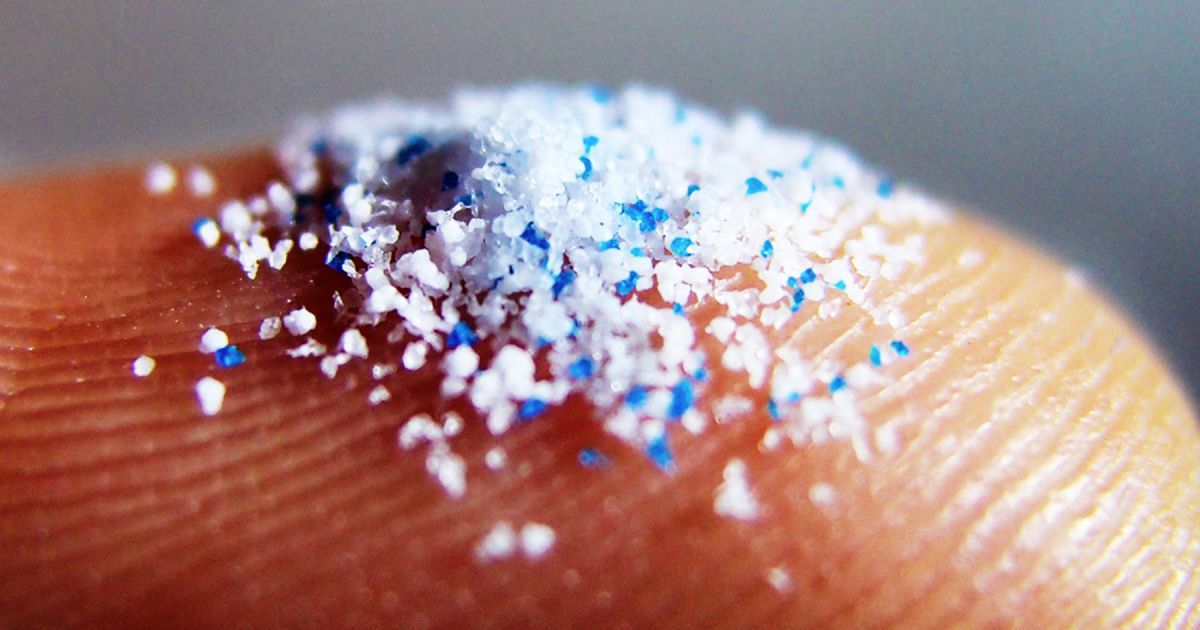
Photo: TSN
Key points
- Microplastics trigger chemical reactions in water
- Reactive oxygen species can damage cells
- Heating plastic increases the release of hazardous particles
The dangerous activity of plastic particles
Researchers from Columbia University and the University of California, Berkeley, have found that microplastics are capable of actively interacting with water. While previously considered passive debris, new findings indicate that reactive oxygen species (ROS) form on their surface upon contact with liquid.
Scientists analyzed six common types of plastic, including polyethylene and polypropylene. It was discovered that these materials are most prone to creating chemically active molecules capable of damaging proteins and DNA. Experiments involving mouse red blood cells confirmed that such interaction can lead to the destruction of cellular structures.
Why this matters for daily life
- Heating plastic containers in a microwave accelerates the release of microparticles.
- Storing water under direct sunlight contributes to material degradation.
- Washing synthetic clothing is a primary source of microplastics entering wastewater.
Although laboratory test results do not serve as direct proof of specific diseases in humans, they point to a more complex mechanism of how plastics affect the body. Scientists emphasize that the problem extends beyond simple waste accumulation, requiring a deeper investigation into the chemical activity of polymers in our environment.
Source TSN — tsn.ua/zdorovya/mikroplastyk-vyiavyvsia-nebezpechnishym-niz-vvazaly-shc… ↗
Read next
 🛡️Security
Electricity restored in Rivne region following enemy attack
Energy workers have fully restored power to the Sarny district, which was affected by a Russian strike on November 20.
 👥Society
Autumn Rose Care: Tips for Gardeners in Kamianske
Experts explain why it is best to avoid radical pruning of roses until steady frosts arrive.
 🛡️Security
Estonia on strike on Russian vessel: Ukraine has the right to self-defense
Estonian Foreign Minister Margus Tsahkna stated that the incident in the Gulf of Finland is a consequence of Russian aggression, emphasizing Ukraine's right to defend its…
 🛡️Security
Rescue operation in Dymer: 89-year-old woman pulled from the rubble of a destroyed building
Rescuers are continuing to clear the rubble in the town of Dymer, Kyiv region, following an enemy drone attack. The death toll has risen to nine.
 🛡️Security
Russian corvette 'Merkury' in Libya: potential Ukrainian drone strike
A Russian warship reportedly exploded at a naval base in Benghazi, with reports suggesting the involvement of Ukrainian maritime drones.
 🛡️Security
Russia is testing NATO's defense algorithms through airspace violations, says Dmitry Kashchenko
Military expert Dmitry Kashchenko stated that regular incursions by Russian weapons into Alliance territory are attempts to identify weaknesses in the security system.